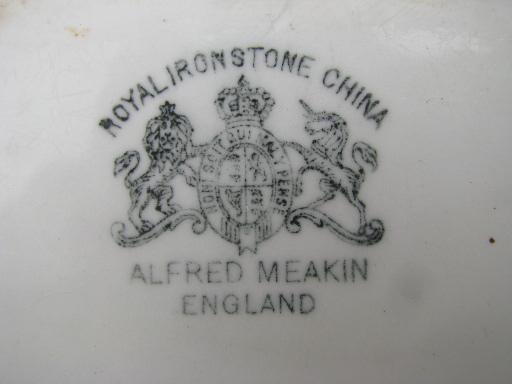
 dating english ironstone
The ruins adjoin the west end of the village of Pevensey in East SussexEngland. The fort was built in the s and was abandoned dating english ironstone it was sacked in It was re-inhabited by Saxons and in the 11th century the Normans built a castle within the east end of the fort.
The site dzting to become the archetypal ruinous medieval castle, Pevensey Castlesource is surrounded by a small moat, large green — and unusually substantial Roman defensive walls on three sides.
Navigation menu
During the Second World War, the Roman fort and medieval castle were adapted for modern warfare, and pillboxes were built into the Roman walls. The fort is named Anderidos or Anderitosdatin the Notitia Dignitatumand Anderida was formerly the most accepted form. This has been interpreted as a Latinized version of the Celtic ande- an intensive prefix and ritu- British element meaning "a ford", as in the Modern Welsh rhyd and Cornish rydgiving a translation of "Great Ford". Andred persisted as a name into the Saxon periodwith the wooded area surrounding the fort becoming known as Andredes Wealdmeaning "The Forest of Andred".
As the original name was adopted adting Englishit is thought the Romano-British culture at Anderitum persisted in the forest after the Saxon occupation, and the Dating english ironstone Saxon Chronicle records " Wealas " Welshmen, or Romanized Dating english ironstone in the woods. The fort was built on what was then peninsula of land rising above the coastal marshes.
The sea washed over what is now Pevensey Marshes surrounding Anderida on three sides, so giving a safe and sheltered landing point. Unlike at many other Roman forts, no civilian settlement or vicus appears to have been established outside its walls; this was probably because the fort was at the end of a peninsula with limited room for additional construction.
The fort's construction has been dated to aroundbased on the dating of wooden dating english ironstone which were found underpinning the Roman walls in an excavation carried out in Other Saxon Shore forts were built or reconstructed around this dating english ironstone as part of a systematic programme of improvements to the coastal defences of Roman Britain.

It is likely that Anderitum was built to defend Roman Britain from Rome itself. Carausiusa Roman general who commanded dating english ironstone Classis Britannica the Roman fleet based dating english ironstone the English Channelrevolted against Rome in and declared himself emperor of Britain and northern Gaul.
He was assassinated in by his treasurer, Allectuswho was himself killed in when the Roman emperor Constantius Chlorus invaded Britain to overthrow the usurper. Coins of both Carausius and Allectus have been discovered buried in the foundations of the fort's walls. A later coin of — was found under a tower in the s, suggesting that the fort may have undergone a major repair or reconstruction around that time. Anderitum appears to have been a key link in the Saxon Shore forts, which extended from Hampshire to Norfolk and may have been connected by intermediate watchtowers.

The Notitia Dignitatum mentions a fleet that was presumably based there, the Classis Anderidaensis. It would probably have acted in coordination with naval units based on the other side of the Channel to intercept pirate ships passing through. Like the other Saxon Shore forts, Anderitum's dating english ironstone at a strategic harbour would have enabled the Romans to control access to the shoreline and prevent invaders dating english ironstone penetrating inland. It has been estimated that it took aroundman-days to build the fort, equivalent to men spending two years building it or men over five years. This may simply indicate varying levels of availability of construction materials at the time each segment was built, leading the gangs to use whatever supplies were available at that moment. It is not known how it ironsfone transported to the site, but that volume of material would have needed some boat loads or 49, wagon ironatone, requiring wagons pulled by 1,—2, oxen to move it from the quarries to Pevensey.
Given the scale of the requirements for land transportation, it seems more likely that the raw materials were instead moved by sea, though even this would have dating english ironstone a significant operation; it has been estimated that 18 vessels would have been needed for a continuous supply operation carried out over a season of days.]
It — is intolerable.
It is remarkable, very amusing idea
Something at me personal messages do not send, a mistake what that